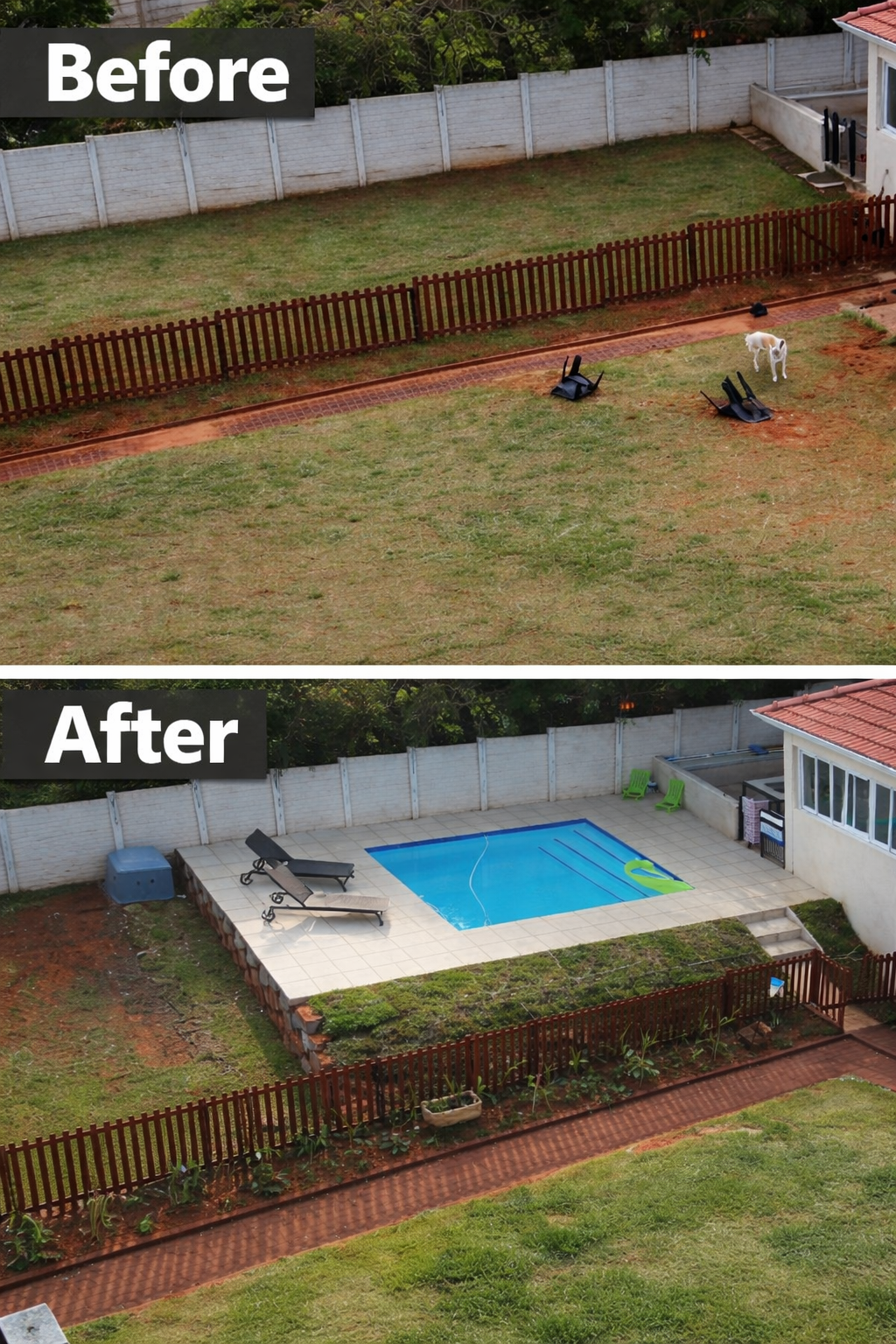
For some people, the answer is obvious — there are areas that need attention or things that aren’t functioning as they should. For others, it’s less clear. The space might look fine, but something feels off, or it has untapped potential.
Looking at everything at once can make it difficult to know what the real issue is, or what should be addressed first.The underlying structure of your garden is what supports everything else — and while it is often overlooked, it tends to have the biggest impact over time.
If there are issues here, they can affect how the rest of your garden looks, functions, and performs, so it’s worth identifying anything that may need attention early on.
A more helpful approach is to step back and look at your garden in a simple, systematic way. This makes it easier to assess what’s working, what isn’t, and what improvements need to be made.
What to Look For in Your Outdoor Space
We’ll start with the structure of your garden — the parts that affect how everything else works.
From there, the next steps are to look at how the space is laid out and used, followed by features, lawn and planting, and finally the finishing touches.
Start with the Structure of Your Garden
The underlying structure of your garden is what supports everything else — and while it is often overlooked, it tends to have the biggest impact over time.
If there are issues here, they can affect how the rest of your garden looks, functions, and performs, so it’s worth identifying anything that may need attention early on.
1. Drainage
After rain, take note of how your garden behaves.
What to look for:
- Standing water: Puddles that don’t disappear within 24 hours
- Soft or spongy lawn: Areas that feel soggy underfoot
- Erosion and ruts: Water runoff that washes away soil or creates channels
These are often early signs that water isn’t moving through your garden as it should, which can affect both plant health and how usable the space is.
2. Retaining Walls
Retaining walls play an important role in keeping everything stable.
If your garden has retaining walls, it’s important to check them for:
- Cracks in the wall
- Sections of the wall that appear to be leaning or bulging
- Water pooling behind or around the wall, which can build pressure over time
- Gaps forming between the wall and adjacent structures
Where walls might be needed:
- Sloped areas that would benefit from added stability
- Steep sections that could be levelled to create more usable garden beds
- Where there are signs of soil movement or erosion
3. Paving and Paths
When you walk through your garden, notice whether it feels easy and comfortable to move around.
What to look for:
- Uneven paving stones
- Cracked or damaged surfaces
- Collapsed areas where paving has sunk or shifted
- Loose edges where paving is no longer stable
- Areas that feel unsafe or create a tripping risk
These are often signs that paving may need to be repaired or replaced, especially if it affects how safely and easily the space can be used.
Where paving might be needed:
- Worn or muddy paths, especially in high-traffic areas
- Areas you tend to avoid because they are awkward, slippery, or difficult to walk through
- Spaces where regular access is needed, such as between entrances, garden areas, or utility spaces
Well-placed paving helps define movement through the garden and makes the space easier and safer to use on a daily basis.
What to Look at Next
Now that you know how to review the structure of your garden, the next parts of this series will guide you through the layout and use of your space, followed by features, lawn and planting, and finishing touches.
A Clearer Way Forward
If you’ve already noticed issues — particularly with drainage, retaining walls, or paving — it’s best to address them sooner rather than later, before they affect the rest of your garden.
If you’re not sure what you’re seeing, or don’t have the time to assess everything in detail, Creative Landscapes can assess your garden, advise on what should be done first, and carry out the work to bring it all together.
Contact Creative Landscapes today to arrange a site visit and take the first step towards making your outdoor space work for you.