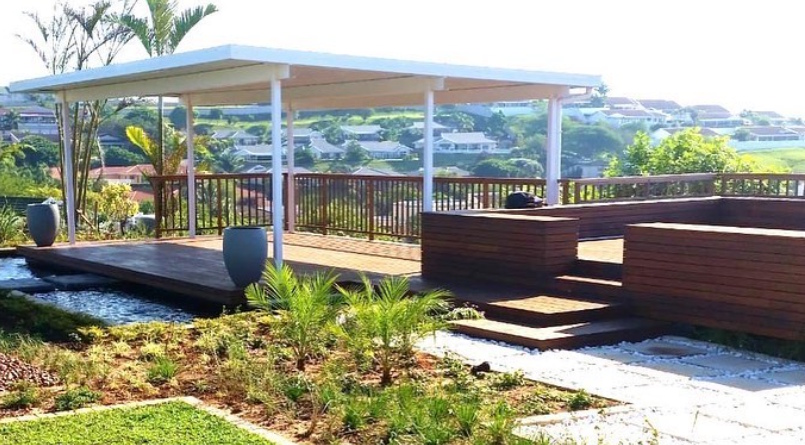
Looking at the Layout and Features of Your Garden
In the first article in this series, we looked at how to assess your garden in a simple, logical way, starting with the structure – the parts that affect how everything else works.
The next step is to look at how the space is laid out and used.
A garden can have healthy plants and well-built features, but still not feel comfortable, practical or enjoyable to spend time in. In many cases, the issue is not the individual elements themselves, but how everything works together.
Layout
Looking at the layout of your garden helps you identify areas that may feel awkward, underused, disconnected, or difficult to move through.
Start with How the Space Feels to Use
One of the easiest ways to assess your garden layout is simply to walk through it and pay attention to how the space feels, how different areas connect, and whether the space feels easy and comfortable to use on a daily basis.
This often gives a good first indication of whether the layout of the garden is working well or whether certain areas may need to be reconsidered.
Think About How the Space Is Actually Used
Once you’ve looked at how the space feels to move through, the next step is to consider whether the garden supports the way the space is intended to be used.
Different gardens need to support different lifestyles.
Some spaces are designed around entertaining, while others are focused on family use, privacy, relaxation, or low-maintenance living. The key is making sure the garden feels practical, comfortable, and enjoyable to use on a daily basis.
What to look for:
- Areas that feel cramped or difficult to move through
- Spaces that are rarely used or serve no clear purpose
- Long or awkward routes between important areas
- Features or furniture that interrupt movement
- Areas that feel disconnected from the rest of the garden
These are often signs that the layout of the garden may not be working as well as it could.
A well-planned layout helps create a garden that feels more functional, balanced, and enjoyable to spend time in.
Features
Features should feel connected to the overall layout of the garden, rather than added in as separate elements.
Pools, water features, seating areas, pergolas, fire pits, and entertainment spaces should work naturally within the flow of the garden and support how the space is used.
What to look for:
- Features that feel out of proportion for the space
- Areas that receive too much or too little sun for their intended use
- Entertainment areas that feel disconnected or difficult to access
- Empty spaces that could be used more effectively
- Features that dominate the garden without adding practical value
Well-positioned features help create focal points, improve functionality, and make the garden feel more inviting and complete.
What to Look at Next
Now that you know how to review the layout and features of your garden, the next parts of this series will guide you through lawn and planting, followed by the finishing touches that bring the space together.
A Clearer Way Forward
If you’ve discovered areas of your garden that aren’t working as they should — whether related to layout, features, or even underlying structural issues — Creative Landscapes can assess your garden, advise on what changes would have the biggest impact, and carry out the work to bring it all together.
Contact Creative Landscapes today to arrange a site visit and take the next step towards creating an outdoor space that works for you.