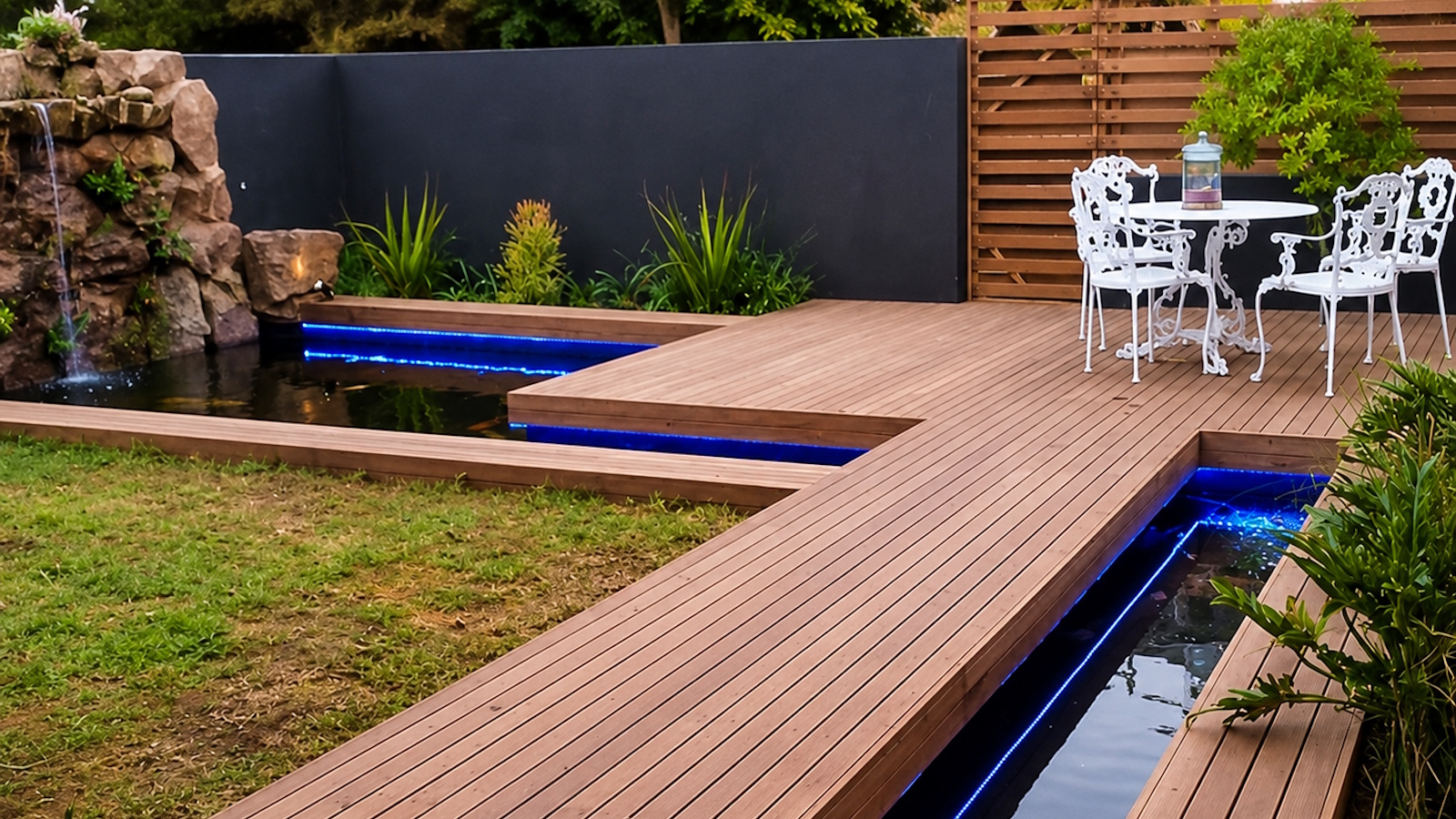
Looking at Lawn, Planting and the Finishing Touches
In the previous articles in this series, we looked at the structure of your garden, followed by its layout and features.
The final step is to assess the elements that bring the garden to life — your lawn, planting and the finishing touches.
Even if the structure and layout are working well, a garden can still feel incomplete if these elements aren’t working together.
Lawn
A healthy lawn provides the foundation for the rest of your garden and plays an important role in how the space looks and functions. It should also suit the way your garden is used and the level of maintenance you’re comfortable with.
What to look for:
- Thin or patchy areas
- Persistent weeds
- Bare patches in high-traffic areas
- Areas where grass struggles because of too much shade or poor drainage
- Lawn that requires more maintenance than you’re able or willing to give
These can indicate that your lawn needs more than routine maintenance. In some cases, improving drainage or selecting a more suitable grass variety may provide a better long-term solution.
Planting
Plants do much more than add colour. They provide structure, soften hard surfaces, create seasonal interest, and attract birds, bees, and butterflies. When assessing your plants, think about whether they complement the rest of the garden and suit the way you want to use the space.
What to look for:
- Overgrown plants blocking paths or windows
- Plants that have outgrown the available space
- Empty garden beds that lack colour or interest
- Plants that appear unhealthy or struggle to thrive
- A lack of variety in height, texture, or seasonal colour
- Areas where planting requires more maintenance than you’d prefer
Well-chosen plants create a garden that is attractive throughout the year while remaining practical and easier to maintain.
Finishing Touches
Once the major elements are in place, it’s often the smaller details that make a garden feel inviting and complete.
These finishing touches help tie the whole garden together and can significantly improve both its appearance and functionality.
What to look for:
- Garden edging that is uneven or missing
- Mulch that needs replacing
- Pots and containers that no longer suit the space
- Outdoor lighting that could improve safety or highlight key features
- Decorative elements that feel dated or out of place
- Opportunities to add seating, focal points, or seasonal colour
These improvements are often relatively simple but can make a significant difference to how polished and enjoyable your garden feels.
Bringing Everything Together
By now you’ve assessed the structure, layout, features, lawn, planting and finishing touches of your garden.
Looking at each area individually makes it much easier to identify what’s working well, what could be improved, and which changes are likely to have the biggest impact.
A garden works best when every element supports the others.
Strong structure provides stability, while a practical layout makes the space easy and enjoyable to use. Well-positioned features create interest, and a healthy lawn, thoughtfully chosen plants, and the finishing touches create a garden that feels complete.
Rather than viewing these as separate improvements, it’s helpful to see them as parts of one complete outdoor space.
A Clearer Way Forward
If you’ve identified areas of your garden that aren’t working as they should — whether related to your lawn, plants, finishing touches or any of the other areas covered throughout this series — Creative Landscapes will assess your garden, advise on the improvements that will have the biggest impact and carry out the work needed to create an outdoor space that works for you.
Contact Creative Landscapes today to arrange a site visit and take the next step towards creating a garden that works beautifully for you.